QuartziteVsQuartz.com is an independent comparison resource. Not affiliated with any stone manufacturer, fabricator, or retailer.

Popular Quartzite Types for Countertops: Taj Mahal, White Macaubas, Sea Pearl, and More

Not all quartzite is created equal. Varieties differ in colour, veining, hardness, porosity, and price. This independent guide compares the six most popular quartzite varieties for US homeowners, with 2026 pricing and unbiased assessments.
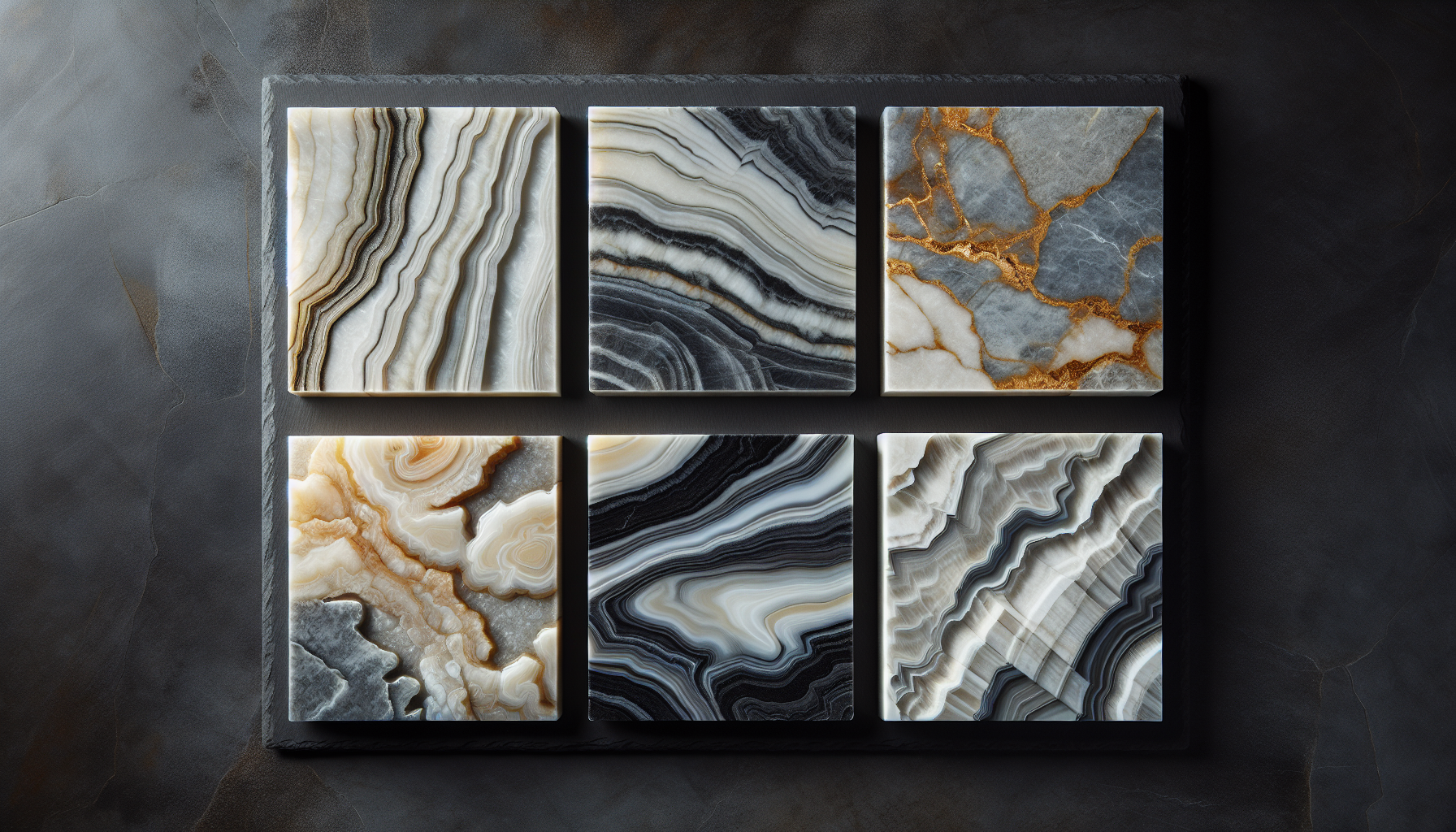
Five quartzite stone samples on dark background showing White Macaubas, Taj Mahal, Sea Pearl, Fantasy Brown, and Cristallo varieties

Five popular quartzite varieties showing the range of natural colours and veining available.

Variety Profiles

Taj Mahal

Origin: Brazil
$120-180/sq ft
installed
Base colour
Warm cream to white
Veining
Gold, caramel, subtle grey
Hardness
7-7.5 Mohs
Porosity
Low-medium
Material cost
$70-120/sq ft
Strengths

Most popular, warm luxurious aesthetic, consistent across market

Considerations

Premium price, must view slab in person for colour variation

Best for: Warm-toned luxury kitchens, white or sage cabinet pairings

White Macaubas

Origin: Brazil (Minas Gerais)
$100-150/sq ft
installed
Base colour
Cool white to cream
Veining
Grey, silver, subtle warm tones
Hardness
7.5-8 Mohs
Porosity
Low
Material cost
$55-90/sq ft
Strengths

Very hard, marble-like appearance, strong UV resistance

Considerations

Cooler tone limits cabinet pairing options, slab variation

Best for: Contemporary and modern kitchens, marble-look alternative

Sea Pearl

Origin: Brazil
$80-130/sq ft
installed
Base colour
Grey-green with white
Veining
White and cream flow patterns
Hardness
7-7.5 Mohs
Porosity
Medium
Material cost
$45-65/sq ft
Strengths

Accessible price point, distinctive colour, good availability

Considerations

Medium porosity needs diligent sealing, green tones limit pairings

Best for: Coastal, transitional kitchens; pairs well with wood or white

Fantasy Brown

Origin: India (Rajasthan)
$70-110/sq ft
installed
Base colour
Taupe, beige, brown
Veining
Dark brown, grey, white contrast
Hardness
7-7.5 Mohs
Porosity
Medium
Material cost
$35-55/sq ft
Strengths

Most affordable quartzite, dramatic visual impact

Considerations

Sometimes mislabelled (verify quartzite hardness), busy pattern

Best for: Statement kitchen islands, transitional and traditional styles

Cristallo

Origin: Brazil
$95-140/sq ft
installed
Base colour
Pale white, near translucent
Veining
Wispy, ethereal, subtle
Hardness
7.5 Mohs
Porosity
Low-medium
Material cost
$60-90/sq ft
Strengths

Unique translucent quality, ethereal appearance, good hardness

Considerations

Very subtle pattern may not read in large kitchens, premium price

Best for: Minimalist, light-filled spaces, spa bathrooms

Super White

Origin: Brazil
$100-160/sq ft
installed
Base colour
Near-pure white
Veining
Very subtle grey
Hardness
7-7.5 Mohs
Porosity
Medium
Material cost
$60-100/sq ft
Strengths

Closest quartzite to pure white marble look, durable

Considerations

Medium porosity, common mislabelling (test before buying), shows stains if unsealed

Best for: All-white contemporary kitchens, marble alternative

Quick Comparison Table

VarietyInstalled CostTonePorosityBest Cabinet
Fantasy Brown$70-110/sq ftWarm taupeMediumWhite, cream, grey
Sea Pearl$80-130/sq ftCool grey-greenMediumWhite, wood
White Macaubas$100-150/sq ftCool whiteLowWhite, charcoal, navy
Cristallo$95-140/sq ftPale whiteLow-medWhite, light wood
Super White$100-160/sq ftNear-pure whiteMediumAny light cabinet
Taj Mahal$120-180/sq ftWarm creamLow-medWhite, sage, navy

How to Evaluate Quartzite Slabs at the Stone Yard

1
Do the acid test

Apply a few drops of lemon juice to a hidden area and wait 5 minutes. Genuine quartzite will not etch or cloud. Marble and dolomite (sometimes mislabelled) will show a dull mark. This is the single most important test.

2
Check for fissures

Natural cracks in the stone that can propagate over time. Hold the slab up to raking light and look for thin lines running through the stone. Small surface fissures are normal; deep penetrating fissures that cut across the slab are a concern.

3
View in multiple light conditions

Showroom lighting is designed to flatter. Ask to view the slab in natural daylight or under a colour-corrected light. The colours will look different than under warm halogen.

4
Select your actual slab

Unlike quartz, quartzite slabs are unique. The sample in the showroom is representative, not identical to what you will receive. Tag or photograph the actual slab that will be cut for your countertop.

5
Check the back

The underside of the slab should show the same crystalline structure as the face. If the back looks significantly different in texture, ask about it.

Quartzite Types FAQ

What is the most popular quartzite for countertops?
Taj Mahal is the most searched and most purchased quartzite variety in the US market, and for good reason. Its warm cream and gold veining combines beautifully with white shaker cabinets (the dominant kitchen style), brass hardware (the dominant fixture trend), and subway tile backsplash. It is also relatively consistent slab-to-slab for a natural stone, which gives homeowners more confidence when ordering. At $120-180 per square foot installed, it sits at the premium end of the quartzite range but is widely available through national stone distributors.
Is Taj Mahal actually quartzite?
Yes, Taj Mahal is genuine quartzite. This is a common question because several softer stones are sometimes mislabelled as quartzite by stone dealers. True quartzite rates 7-8 on the Mohs scale and will not etch when tested with lemon juice. Taj Mahal's origin is Brazil and it is a hard, durable quartzite with a warmly coloured crystalline structure. When purchasing, ask your stone yard to confirm the acid test -- a genuine quartzite surface will not show any etch mark from lemon juice, whereas a mislabelled marble or dolomite will.
What is the difference between Taj Mahal and Super White quartzite?
These are two of the most popular quartzite varieties but with different visual characters. Taj Mahal has a warm cream base colour with visible gold and caramel veining -- it reads as warm and luxurious. Super White has a much cooler, near-pure white base with very subtle grey veining -- it reads as crisp, clean, and more minimalist. Taj Mahal costs more ($120-180/sq ft installed) vs Super White ($100-160/sq ft installed). Taj Mahal pairs better with warm-toned kitchens; Super White works better in cool-toned or all-white contemporary settings.
How do I evaluate quartzite slabs at a stone yard?
There are four key checks. First, the acid test: dab a small amount of lemon juice on a hidden area and wait 5 minutes. Genuine quartzite will not etch; marble or dolomite (sometimes mislabelled as quartzite) will show a dull mark. Second, check for fissures -- natural cracks in the stone that can propagate under stress. Third, view the slab in natural light as well as artificial light, since they look different. Fourth, check the slab's back side -- the underside should show similar crystalline structure to the face. Always select your actual slab, not a sample, since quartzite varies significantly slab-to-slab.
Is Sea Pearl quartzite or quartzite?
Sea Pearl (also called Sea Pearl Leathered or Sea Pearl White) is genuine quartzite from Brazil. It is classified as quartzite based on its mineralogical composition and hardness (7+ Mohs). Its distinctive grey-green tones come from the mineral composition of the original sandstone and its transformation conditions. It is harder and more durable than marble, resists heat well, and etches only minimally from acids when compared to softer stones. It is one of the more affordable quartzite varieties at $80-130 per square foot installed.
Full ComparisonCost BreakdownAppearance GuideBuying Guide